David Sullivan · 23 October 2026
Community Networks Drive Agricultural Adaptation in Forest-Edge Communities
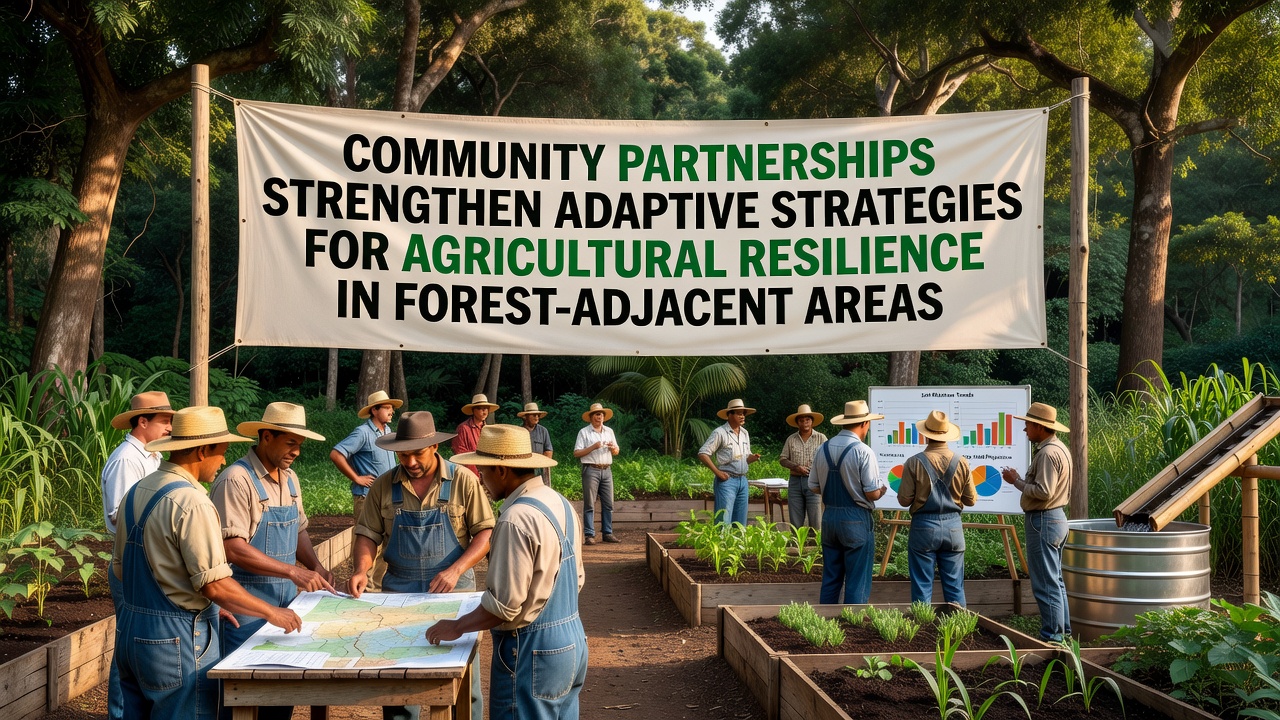
Community partnerships have emerged as key mechanisms that support adaptive strategies for agricultural resilience in regions bordering forests, where changing climate patterns, soil erosion risks, and wildlife interactions create ongoing challenges for growers. Data from multiple international studies show these collaborations often combine traditional knowledge with modern monitoring tools to adjust planting cycles, water management, and pest control methods while preserving surrounding ecosystems.
Researchers at various institutions have documented how shared decision-making between farmers, forest managers, and local authorities leads to coordinated responses during drought or flood events. According to reports from the Food and Agriculture Organization, such networks in several countries have recorded measurable improvements in yield stability when groups pool resources for irrigation infrastructure and early-warning systems.
Core Elements of Effective Partnerships
Successful initiatives typically rest on three pillars: regular information exchange, joint resource allocation, and long-term monitoring protocols. Participants establish formal agreements that outline responsibilities for maintaining buffer zones, tracking biodiversity indicators, and testing drought-resistant crop varieties suited to transitional forest soils. Evidence from longitudinal surveys indicates these structures reduce duplication of effort and accelerate adoption of practices that balance productivity with habitat protection.
One project in North America demonstrated how county extension services linked with indigenous land stewards to map seasonal water flows and adjust grazing rotations accordingly. The resulting data sets allowed participants to shift sowing dates by several weeks when projections indicated extended dry spells, and yields remained consistent across multiple seasons despite variable rainfall.
Implementation Across Regions
European programs have focused on cross-border knowledge transfer, where agricultural cooperatives in Germany and Poland exchange techniques for integrating agroforestry strips that shield fields from wind while providing additional forage for pollinators. Australian government agencies report similar outcomes in Victoria, where partnerships between wine growers and state forestry departments have introduced cover-crop mixes that stabilize slopes and reduce sediment runoff into adjacent woodland streams.
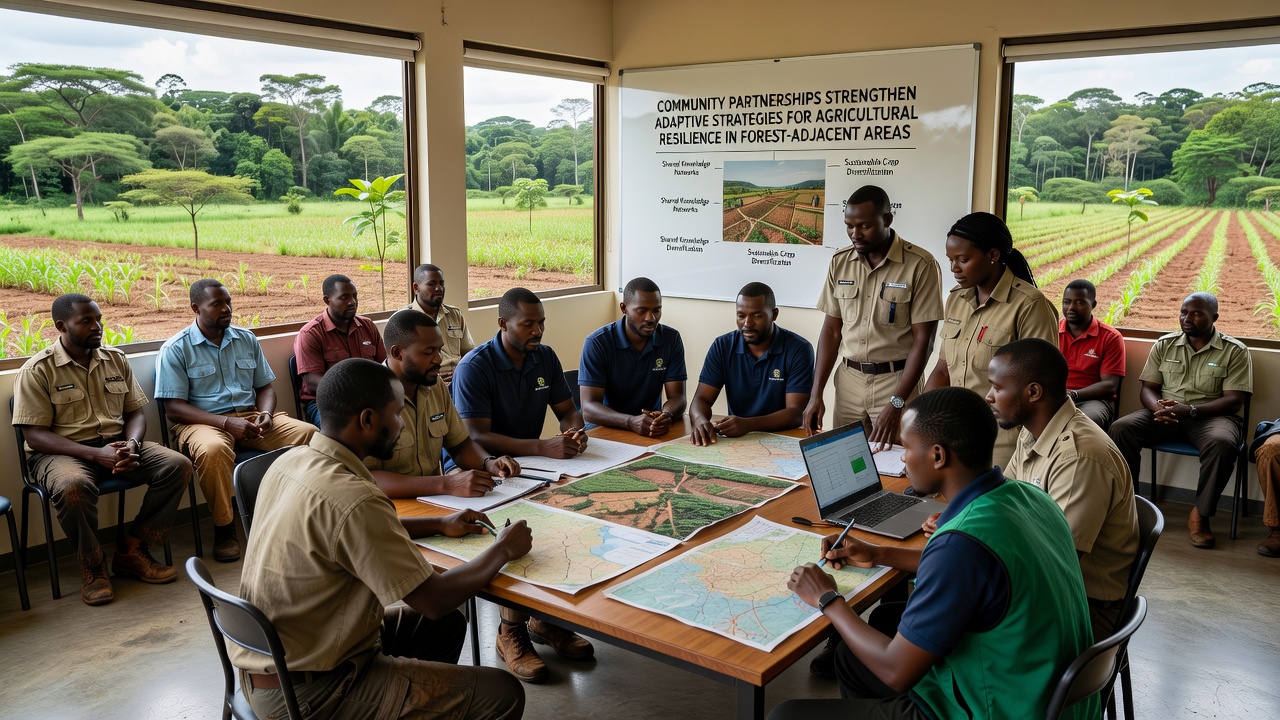
Canadian researchers tracking outcomes in British Columbia note that community-led monitoring of ungulate populations helps farmers install targeted fencing rather than broad barriers, preserving migration corridors while protecting crops. These targeted interventions have lowered conflict incidents and maintained higher survival rates for both livestock and native species.
October 2026 Developments
Planners have scheduled an international workshop for October 2026 in British Columbia to review five years of partnership data and refine adaptive frameworks for forest-adjacent agriculture. Delegates from government bodies, universities, and producer associations will examine updated climate models alongside on-ground results to identify scalable practices. Preliminary agendas include sessions on remote sensing integration and financing mechanisms that reward collective stewardship outcomes.
Financial support often flows through blended public-private funds that reward measurable resilience indicators such as reduced erosion rates or maintained pollinator counts. Industry organizations like the International Union of Forest Research Organizations have published guidelines that help groups quantify these benefits and secure continued investment.
Conclusion
Evidence compiled across continents demonstrates that structured community partnerships deliver consistent advantages for agricultural systems operating near forests. By combining local observation with scientific assessment, these networks enable timely adjustments that sustain output while safeguarding ecological functions. Continued documentation of results through 2026 and beyond will clarify which elements transfer most effectively across different biomes and governance settings.