David Sullivan · 9 October 2026
Heritage Craft Workshops Spark Interest in Resource Management Among Younger Residents
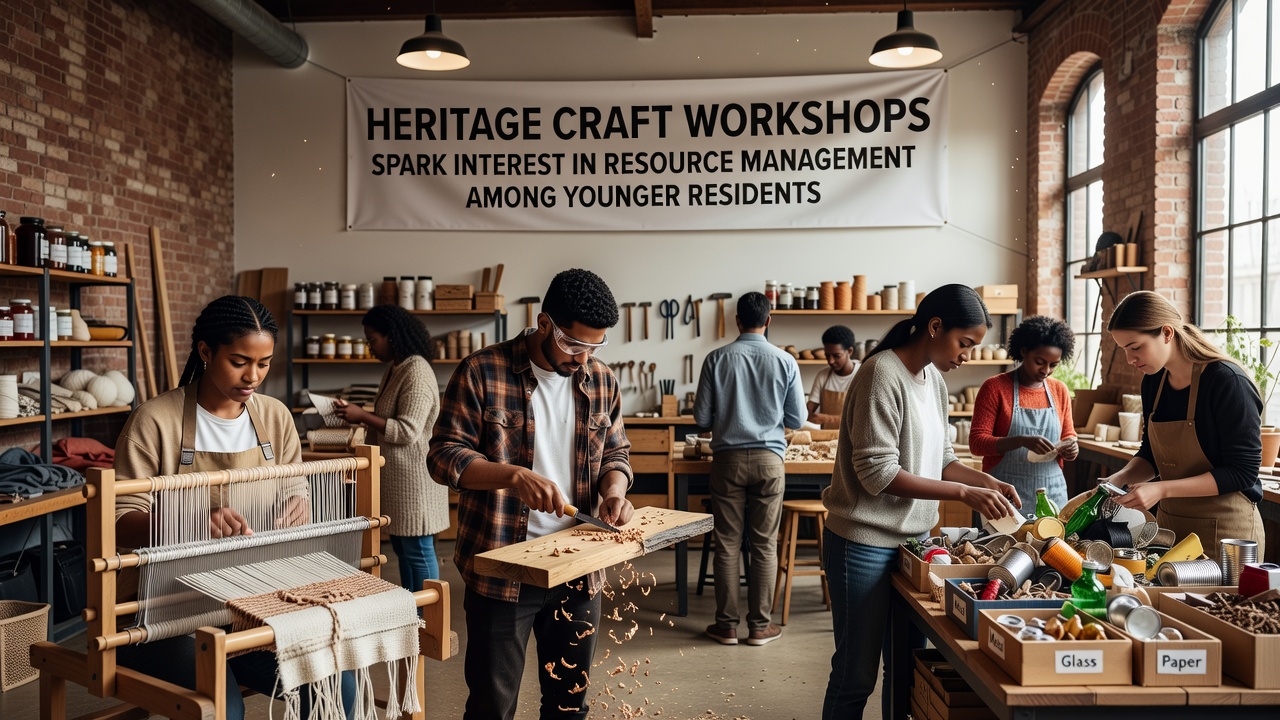
Heritage craft workshops have drawn increasing numbers of younger residents to sessions focused on traditional skills such as woodworking, basket weaving, and natural dyeing, and these programs connect directly to lessons in sustainable resource use. Organizers in the Nordwald region report steady enrollment growth since the series began, with participants learning how historical methods relied on careful harvesting and material reuse. Data from local cultural centers shows that sessions held in 2025 attracted over 300 individuals under age 35, and planners have scheduled additional dates for October 2026 to meet demand.
Workshop leaders demonstrate techniques passed down through generations while explaining the ecological principles behind each step, and attendees practice selecting materials that minimize waste. One program pairs elders with younger learners for guided forest walks where groups identify suitable plants and trees without overharvesting. Research from the European Environment Agency indicates that such hands-on education improves understanding of resource cycles, and participants often apply these principles at home through small-scale projects like repairing furniture instead of replacing it.
Workshop Structure and Participation Trends
Each session lasts two to three hours and combines demonstration with practical exercises, while instructors track how attendees adapt methods to contemporary needs. Sign-up data reveals that many participants return for multiple workshops, and surveys conducted by regional heritage groups show a 40 percent increase in interest among 18-to-30-year-olds compared with figures from 2023. Programs emphasize local materials such as willow, oak, and natural fibers, which encourages awareness of seasonal availability and long-term forest health.
Younger residents frequently cite social media posts and community notices as entry points, yet follow-up interviews indicate that the practical outcomes keep them engaged. Groups have formed informal networks to share tools and finished items, and some have started community repair events that extend the workshops' reach. Figures from the Nordwald cultural registry reveal that similar initiatives in neighboring districts report parallel growth, suggesting a broader pattern across rural areas.
Connections to Resource Management Practices
Traditional crafts teach efficient use of limited supplies because each technique evolved under conditions of scarcity, and modern participants recognize parallels to current sustainability goals. Instructors incorporate data on regional timber growth rates and water usage during discussions, which helps translate historical knowledge into measurable outcomes. A study published by the University of British Columbia found that heritage skill programs correlate with higher rates of voluntary conservation behaviors among participants, and local organizers have adapted similar evaluation methods to monitor progress.

October 2026 workshops will introduce new modules on natural insulation using local reeds and moss, and these additions build on earlier lessons about closed-loop material systems. Attendance projections suggest continued expansion, with registration opening through the regional heritage portal. Observers note that the combination of skill-building and environmental context creates lasting habits, as evidenced by increased participation in local recycling drives and reduced household waste reports among alumni.
Broader Community Impacts
Schools in the area have begun incorporating workshop elements into extracurricular programs, and teachers report improved student engagement with environmental topics after hands-on experiences. Partnerships with forest management agencies provide access to demonstration sites, which strengthens ties between cultural preservation and ecological stewardship. Records from the past two years show that craft-based events generate secondary activities such as seed swaps and tool-lending libraries, and these extensions multiply the original workshops' influence.
Local businesses supplying raw materials have adjusted inventory practices to support educational demand, and this feedback loop supports both economic and environmental objectives. Data collected by regional tourism boards indicates that heritage events contribute to visitor numbers, yet the primary benefit remains the transmission of knowledge to younger generations who then apply it in daily decisions about consumption and reuse.
Conclusion
Heritage craft workshops continue to serve as entry points for younger residents seeking practical connections between past techniques and present resource challenges. Ongoing programs through October 2026 and beyond maintain this focus, while evaluation data supports their role in fostering informed management habits. Community records and academic findings together document measurable shifts in behavior and awareness that extend well beyond the workshop setting itself.